




What Is a Power of Attorney and Why It Needs to Be Notarized
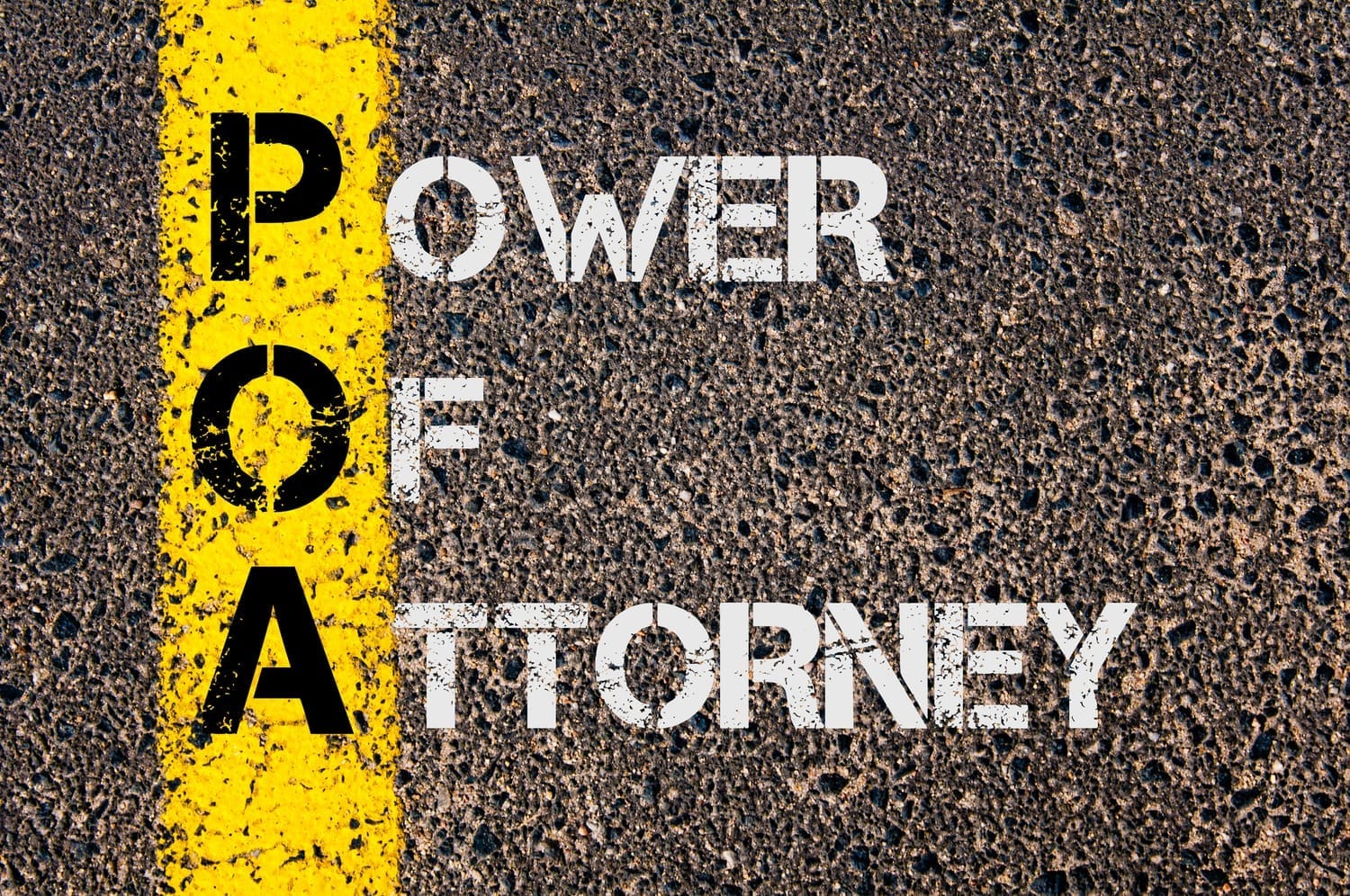
A Power of Attorney (POA) is one of the most important legal documents a person can execute. It allows someone else—the “agent” or “attorney-in-fact”—to act on your behalf in matters ranging from finances to healthcare decisions.
Whether you’re planning for your future, helping an elderly parent, or managing a business, a POA can offer critical peace of mind.
But here’s the catch: for a Power of Attorney to hold legal weight, it typically must be notarized. And that’s where a certified notary public comes in.
What Does a Notarized Power of Attorney Do?
Notarizing a Power of Attorney serves multiple purposes:
Verifies identity: A notary confirms the signer is who they say they are.
Ensures willingness and capacity: The signer must be competent and acting willingly.
Adds legal credibility: A notarized POA is more readily accepted by banks, hospitals, and government agencies.
Without notarization, a POA may be challenged, delayed, or outright rejected.
Types of Powers of Attorney That Often Require Notarization
Durable POA: Stays in effect if the principal becomes incapacitated.
Medical POA: Allows someone to make healthcare decisions.
Financial POA: Permits management of bank accounts, bills, or investments.
Limited/Special POA: Used for a specific task or time period.
Some states even require witnesses in addition to notarization. An experienced notary can help ensure these requirements are met.
Who Needs a Power of Attorney?
Seniors preparing for possible incapacity
College students before heading away
Military members deploying abroad
Business owners delegating tasks
Anyone undergoing a medical procedure
When to Call a Mobile Notary
If your client is homebound, hospitalized, or unavailable during business hours, a mobile notary can come to them—on their schedule. This convenience is essential, especially for seniors and those with urgent timelines.
Final Thoughts
A Power of Attorney can protect everything from your bank account to your final wishes. But it only works if it’s done right—and notarization is a key part of that.
Let us know what you think in the comments!




Categories
Newsletter
Subscribe to the newsletter and stay in the loop! By joining, you acknowledge that you'll receive our newsletter and can opt-out anytime hassle-free.